⚠️ خطر رکود جدی در بازار مسکن؛ آیا ترس از شروع دوباره جنگ معاملات را متوقف میکند؟
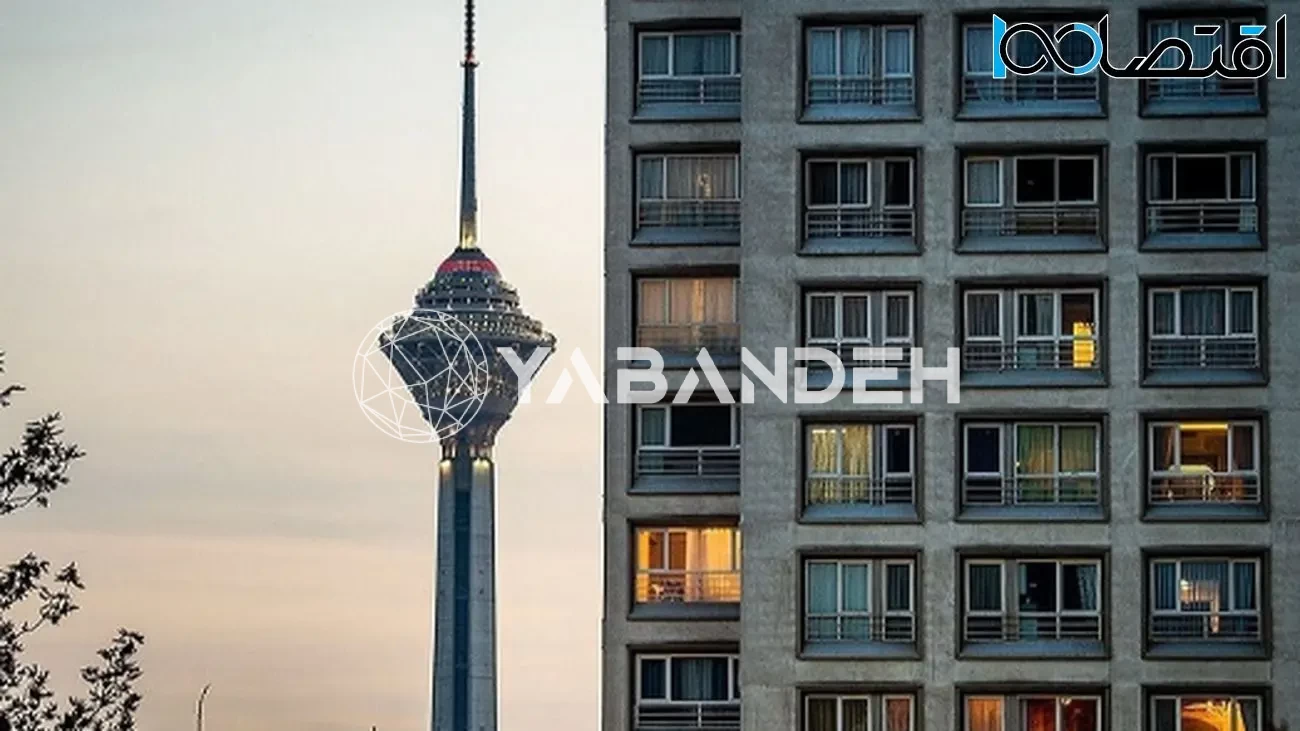
بازار مسکن ایران در شرایطی قرار گرفته که ترس و نااطمینانی نسبت به احتمال شروع دوباره درگیریهای نظامی میتواند به یکی از مهمترین عوامل فشار بر معاملات تبدیل شود. تجربه ماههای گذشته نیز نشان داده است که در زمان افزایش تنشهای سیاسی و نظامی، اولین واکنش بازار مسکن معمولاً کاهش تعداد معاملات و به تعویق افتادن تصمیم خریداران و فروشندگان است. (روزنامه دنیای اقتصاد)
🔴 مشکل اصلی بازار، فقط قیمت نیست؛ «ترس از آینده» است
در شرایط عادی، خریدار و فروشنده میتوانند بر اساس قیمت، درآمد، قدرت خرید و شرایط اقتصادی تصمیم بگیرند؛ اما زمانی که احتمال بازگشت جنگ و ناامنی افزایش پیدا میکند، بسیاری از معاملات از حالت تصمیم اقتصادی خارج شده و به تصمیمی همراه با ریسک تبدیل میشوند.
خریدار با خود میگوید:
🔸 اگر امروز ملک بخرم و دوباره جنگ آغاز شود چه اتفاقی میافتد؟
🔸 آیا قیمتها کاهش پیدا میکند یا افزایش؟
🔸 آیا بهتر است سرمایه خود را فعلاً نقد نگه دارم؟
🔸 آیا فروشنده حاضر به تعدیل قیمت خواهد شد؟
همین پرسشها میتواند باعث شود بخشی از خریداران خرید را به آینده موکول کنند.
📉 رکود معاملاتی؛ خطر جدیتر از کاهش قیمت
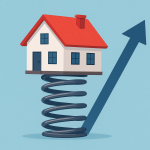
نکته مهم این است که رکود مسکن الزاماً به معنای سقوط قیمت اسمی خانه نیست.
ممکن است قیمتهای پیشنهادی همچنان بالا باقی بمانند، اما تعداد معاملات بهشدت کاهش پیدا کند. گزارشهای منتشرشده درباره بازار مسکن ایران نیز از کاهش معاملات و بلاتکلیفی خریداران و فروشندگان در فضای نااطمینانی خبر دادهاند. (خبرآنلاین)
در چنین شرایطی ممکن است بازار وارد وضعیتی شود که:
قیمتها بالا هستند، اما خریدار واقعی کم است.
این همان شرایطی است که میتواند فشار بیشتری بر مشاوران املاک، سازندگان و فروشندگان ایجاد کند.
🏗️ جنگ چه اثری بر ساختوساز دارد؟
در صورت تشدید نااطمینانی، تنها معاملات تحت تأثیر قرار نمیگیرند؛ بخش ساختوساز نیز ممکن است با مشکلاتی مانند افزایش هزینه مصالح، دشواری تأمین مالی، کاهش سرمایهگذاری و کند شدن پروژهها مواجه شود.
از سوی دیگر، افزایش هزینه ساخت لزوماً اجازه کاهش شدید قیمت تمامشده ساختمان را نمیدهد.
به همین دلیل ممکن است بازار با یک تناقض جدی روبهرو شود:
قدرت خرید مردم کاهش پیدا کند، اما هزینه ساخت همچنان بالا بماند.
نتیجه چنین شرایطی میتواند ادامه رکود معاملاتی بدون کاهش متناسب قیمتهای اسمی باشد. گزارشهای اخیر نیز از فشار هزینههای ساخت و همزمانی آن با رکود معاملات سخن گفتهاند. (Tabnak)
💰 آیا در صورت شروع دوباره جنگ، قیمت مسکن حتماً کاهش مییابد؟
پاسخ قطعی به این سؤال ممکن نیست.
بازار مسکن از عوامل مختلفی مانند نرخ تورم، قیمت مصالح، نرخ ارز، قدرت خرید خانوار، میزان عرضه، هزینه ساخت و شرایط سیاسی تأثیر میپذیرد.
بنابراین رکود معاملاتی الزاماً به معنای کاهش شدید قیمت مسکن نیست.
حتی ممکن است در شرایط تورمی، قیمت اسمی ملک بالا بماند اما معاملات کاهش پیدا کند و ارزش واقعی ملک نسبت به تورم کاهش یابد.
🧑💼 نقش مشاوران املاک در شرایط رکودی
در چنین شرایطی نقش مشاور املاک حرفهای بیش از گذشته اهمیت پیدا میکند.
مشاور نباید صرفاً فروشنده ملک باشد؛ بلکه باید بتواند شرایط بازار را برای خریدار و فروشنده شفاف کند.
🔹 قیمتگذاری منطقی
🔹 شناخت واقعی منطقه
🔹 تشخیص فایلهای مناسب
🔹 پرهیز از قیمتسازی
🔹 شفافیت در معامله
🔹 توجه به توان مالی خریدار
🔹 کمک به فروشنده برای تعیین قیمت واقعی
میتواند به حفظ اعتماد مردم و فعال ماندن بازار کمک کند.
🏡 خریدار در چنین بازاری چه کند؟
خریدار نباید صرفاً به دلیل ترس از جنگ یا ترس از افزایش قیمت، تصمیم عجولانه بگیرد.
اگر خرید برای مصرف شخصی و بلندمدت است، باید ابتدا توان مالی و نیاز واقعی بررسی شود.
اما اگر هدف سرمایهگذاری است، مقایسه قیمت ملک با سایر بازارها، نقدشوندگی، موقعیت ملک، میزان اجارهپذیری و قیمت تمامشده اهمیت بیشتری پیدا میکند.
در بازار رکودی، معمولاً ملک خوب با قیمت منطقی شانس معامله بیشتری نسبت به ملکی دارد که صرفاً بر اساس هیجان قیمتگذاری شده است.
🟠 احتمال شکلگیری بازار دوگانه
یکی از سناریوهای محتمل این است که بازار مسکن بیش از گذشته دوگانه شود.
از یک طرف:
🏠 املاک مرغوب
📍 مناطق دارای تقاضای واقعی
💰 فایلهای با قیمت منطقی
🏢 واحدهای آماده و کمریسک
و از طرف دیگر:
🔻 املاک گرانقیمت
🔻 فایلهای با قیمتگذاری غیرواقعی
🔻 پروژههای پرریسک
🔻 املاکی که نقدشوندگی پایینی دارند
در چنین شرایطی ممکن است فاصله میان قیمت پیشنهادی فروشنده و قیمت معامله واقعی بیشتر شود.
📌 جمعبندی
بازار مسکن در شرایط فعلی بیش از هر چیز از نااطمینانی و کاهش قدرت تصمیمگیری خریداران آسیب میبیند.
اگر نگرانی از شروع دوباره جنگ افزایش پیدا کند، احتمال تشدید رکود معاملاتی وجود دارد؛ اما نمیتوان از هماکنون با قطعیت درباره کاهش یا افزایش قیمت مسکن قضاوت کرد.
آنچه میتوان با اطمینان بیشتری گفت این است که تداوم نااطمینانی، تعداد معاملات را تحت فشار قرار میدهد و بازار را به سمت انتخابهای سختتر، مذاکرات بیشتر و فاصله بیشتر میان قیمت پیشنهادی و قیمت واقعی معامله سوق میدهد.
در چنین بازاری، خریدار عجول و فروشنده غیرواقعبین هر دو آسیبپذیرترند؛ اما معاملهای که بر اساس قیمت واقعی، اطلاعات شفاف و تحلیل حرفهای انجام شود، همچنان میتواند منطقی باشد.
🍀 بازار مسکن همیشه فقط با قیمت حرکت نمیکند؛
گاهی امنیت، اعتماد و امید به آینده مهمتر از عدد روی تابلو هستند.
منبع و تهیهکننده:
🏢 سایت یابنده | گروه ملکی یابنده
👤 مهندس کسری علیزاده
09124685136
09364664203
⚠️ Risk of a Serious Housing Market Recession: Could Fears of Renewed War Freeze Transactions?
Iran’s housing market is facing a challenging period in which uncertainty over the possibility of renewed military conflict could become one of the main factors putting pressure on real estate transactions.
Recent market reports have shown that during periods of heightened political and military tension, one of the first reactions in the housing market is usually a decline in transactions and the postponement of buying and selling decisions. (روزنامه دنیای اقتصاد)
🔴 The Main Problem Is Not Only Prices — It Is Uncertainty
Under normal circumstances, buyers and sellers make decisions based on prices, income, purchasing power and economic conditions.
However, when the possibility of renewed conflict increases, real estate decisions become much more uncertain.
Buyers may ask:
🔸 What happens if I buy a property today and the conflict starts again?
🔸 Will property prices fall or rise?
🔸 Should I keep my capital in cash for now?
🔸 Will sellers become more flexible on prices?
These questions can lead many potential buyers to postpone their purchase decisions.
📉 A Transaction Recession Can Be More Serious Than a Price Decline
A housing market recession does not necessarily mean that nominal property prices will collapse.
Prices may remain high while the number of actual transactions falls significantly.
Recent reports on Iran’s housing market have pointed to reduced transactions and uncertainty among both buyers and sellers. (خبرآنلاین)
This can create a difficult market environment in which:
Prices remain high, but real buyers become increasingly scarce.
Such conditions can put additional pressure on real estate agents, developers and property owners.
🏗️ How Could War Affect Construction?
If uncertainty intensifies, the impact may go beyond transactions.
The construction sector could face higher material costs, financing difficulties, reduced investment and delays in development projects.
At the same time, rising construction costs may prevent a significant decline in the final cost of newly built properties.
This can create a major contradiction:
People’s purchasing power may decline while construction costs remain high.
As a result, the market could experience prolonged transaction stagnation without a proportional decline in nominal property prices. Recent reports have also highlighted the combination of construction-cost pressures and weak housing transactions. (Tabnak)
💰 Would Property Prices Definitely Fall if War Resumes?
There is no certain answer.
Iran’s housing market is influenced by multiple factors, including inflation, construction costs, exchange rates, household purchasing power, supply, investment conditions and political developments.
Therefore, a decline in transactions does not automatically mean a sharp decline in property prices.
In an inflationary environment, nominal property prices may continue to rise while the number of transactions falls and the real value of property declines relative to inflation.
🧑💼 The Role of Professional Real Estate Agents
In uncertain markets, professional real estate agents become even more important.
A professional agent should not simply act as a seller of properties. The agent should help buyers and sellers understand market conditions clearly.
🔹 Realistic pricing
🔹 Accurate knowledge of the local market
🔹 Identifying suitable properties
🔹 Avoiding artificial price inflation
🔹 Transparency in transactions
🔹 Understanding the buyer’s financial capacity
🔹 Helping sellers establish realistic asking prices
These factors can help maintain trust and keep the market functioning.
🏡 What Should Buyers Do?
Buyers should avoid making rushed decisions simply because they fear war or expect prices to rise.
If the purpose is long-term personal use, the buyer should first evaluate their actual needs and financial capacity.
For investment purposes, factors such as liquidity, rental potential, location, total acquisition cost and comparison with alternative investment markets become more important.
In a stagnant market, a good property offered at a realistic price is more likely to attract buyers than an overpriced property driven by speculation.
🟠 The Possibility of a Two-Tier Market
One possible outcome is a more divided housing market.
On one side:
🏠 High-quality properties
📍 Locations with genuine demand
💰 Realistically priced properties
🏢 Ready-to-use and lower-risk units
On the other side:
🔻 Overpriced properties
🔻 Unrealistic listings
🔻 Higher-risk projects
🔻 Properties with low liquidity
Under such circumstances, the gap between asking prices and actual transaction prices may become wider.
📌 Conclusion
Iran’s housing market is currently being affected not only by prices and economic conditions, but also by uncertainty and reduced confidence in making long-term decisions.
If concerns about renewed military conflict increase, the risk of deeper transaction stagnation will also increase. However, it is not possible to state with certainty that property prices will either fall or rise.
What can be said with greater confidence is that continued uncertainty is likely to put pressure on transaction volumes and push the market toward tougher negotiations, more selective buyers and a wider gap between asking prices and actual transaction prices.
In such a market, an impatient buyer and an unrealistic seller are both more vulnerable. But a transaction based on realistic pricing, transparent information and professional analysis can still be a rational decision.
🍀 The housing market does not always move only with prices.
Sometimes, security, trust and confidence in the future matter more than the number written on the price tag.
Source & Publisher:
🏢 Yabandeh Website | Yabandeh Real Estate Group
👤 Engineer Kasra Alizadeh
tell:
09124685136
09364664203
پست های مرتبط:
دریاچه شهدای خلیج فارس، معروف به دریاچه چیتگر، یکی از مهمترین محدودههای مسکونی، تفریحی و سرمایهگذاری منطقه ۲۲ تهران است.
قرارگیری کوهک در مجاورت پارک جنگلی چیتگر، دریاچه شهدای خلیج فارس، ایرانمال و محورهای اصلی غرب تهران باعث شده این محدوده هم برای سکونت و هم برای سرمایهگذاری مورد توجه قرار گیرد. کوهک در بخش شرقی منطقه ۲۲ قرار گرفته...
 برجهای اطراف دریاچه چیتگر؛ معرفی، مقایسه و راهنمای خرید و فروش
 برجهای کوهک منطقه ۲۲ تهران | معرفی بهترین برجهای ساختهشده در ناحیه کوهک
 خطر رکود جدی در بازار مسکن؛ آیا ترس از شروع دوباره جنگ معاملات را متوقف میکند؟
 پروژههای نارنجستان ۱ تا ۶ منطقه ۲۲ | قیمت، وضعیت ساخت و معرفی تعاونی ابنیه آکام
 🏡 چرا خرید آپارتمان آماده در منطقه ۲۲ تهران میتواند انتخاب هوشمندانهای باشد؟